June 18, 2026
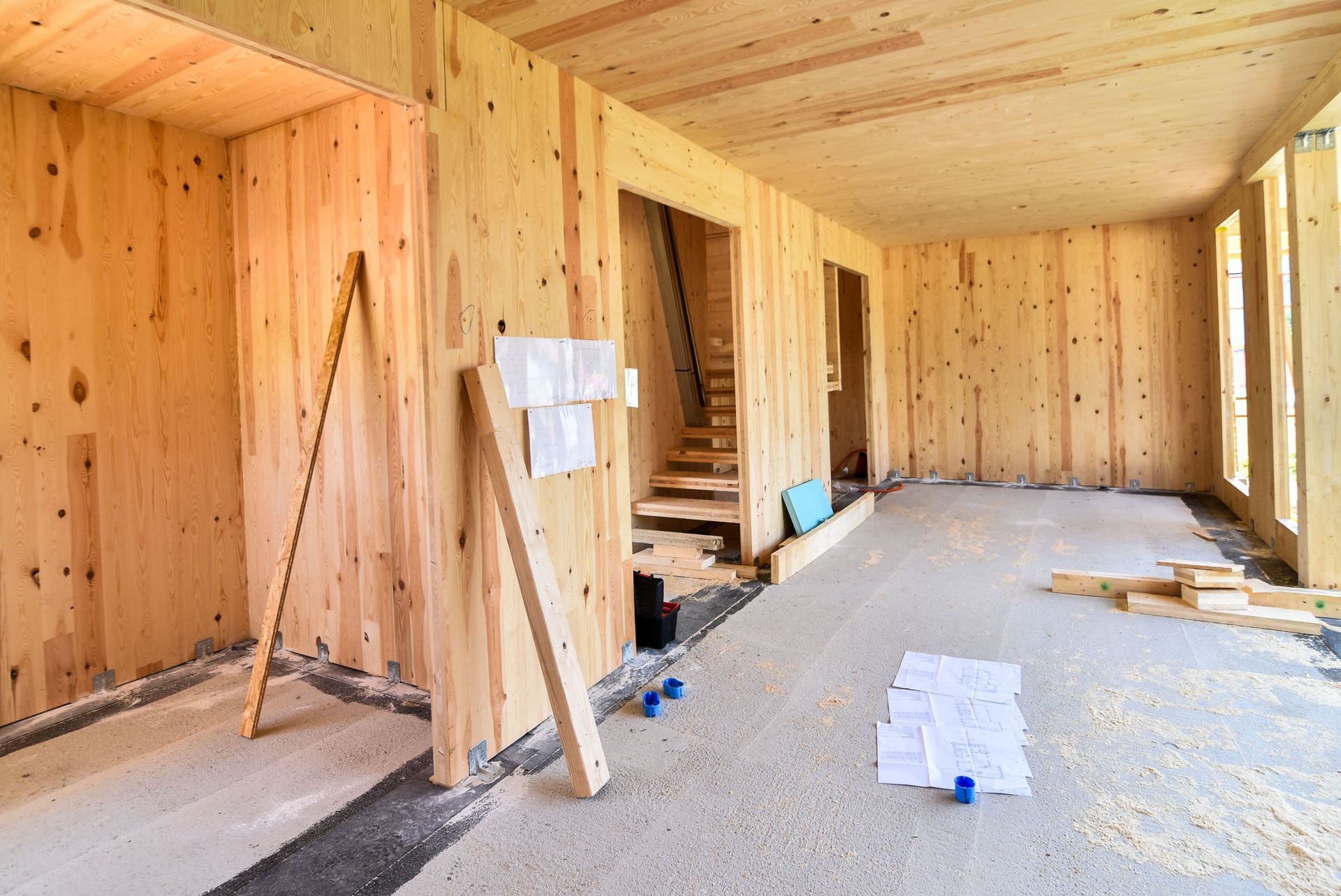
The construction industry is evolving rapidly, and prefab wall panels are becoming a cornerstone of modern building strategies. Exploring the core advantages of this technology reveals why builders are embracing modern methods more than ever in 2026. This shift is driven by a series of advantages that offsite systems offer over traditional stick-built construction methods, ranging from rapid onsite assembly to predictable project economics. With an increasing focus on technological innovation and process optimization, building firms are pushing the boundaries of what is possible in modern real estate development.
Accelerating Project Timelines
The utilization of prefab wall panels is markedly increasing due to their ability to be pre-assembled in controlled factory environments. This method promotes efficiency by allowing key structural components to be crafted with precision, unaffected by adverse winter conditions or unexpected rain delays. The controlled indoor setting enables workers to focus entirely on the craftsmanship of the assemblies, ensuring that every stud and sheet of sheathing meets strict quality thresholds before reaching the construction site. This pre-assembly process is pivotal in minimizing on-site construction surprises and scheduling conflicts.
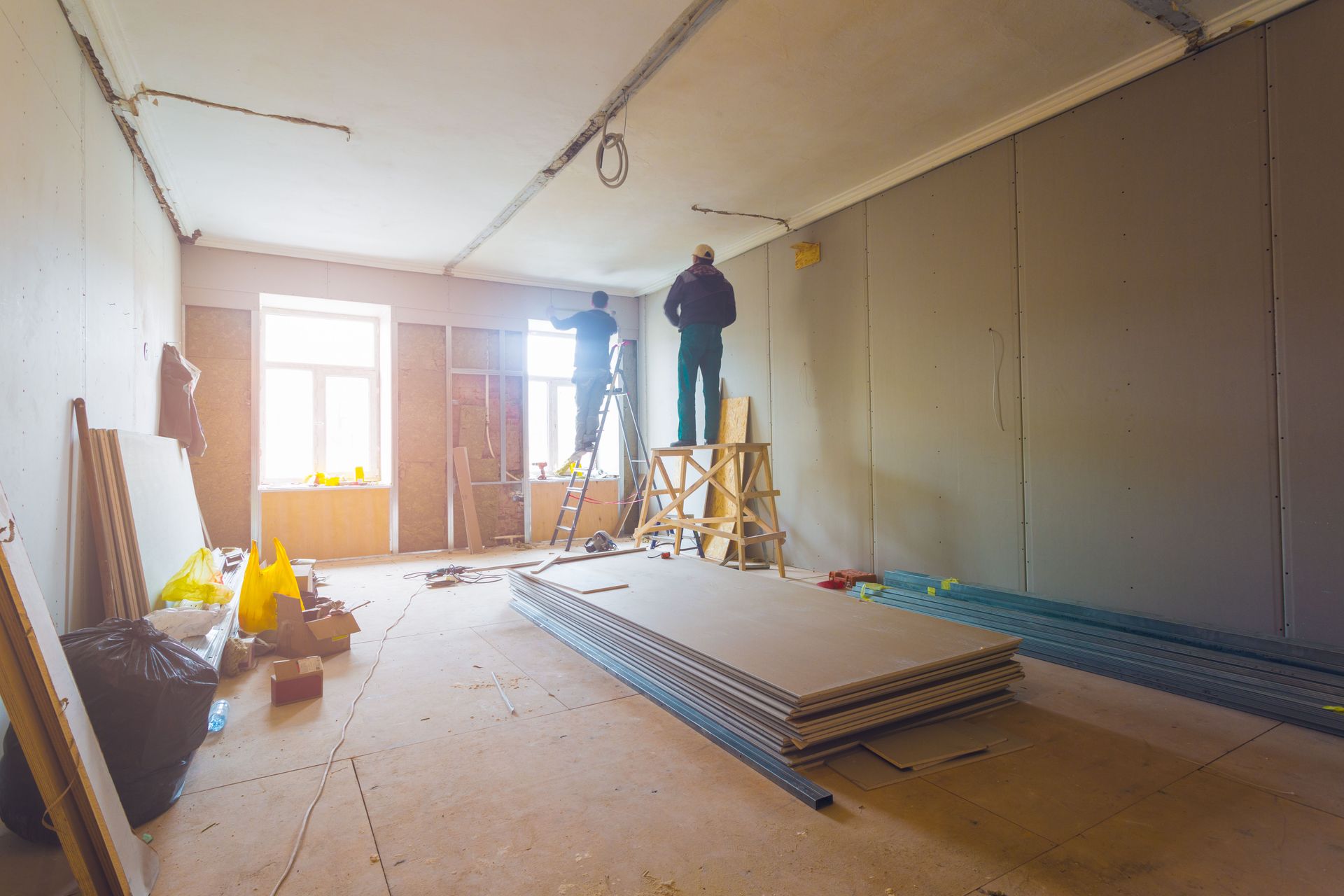
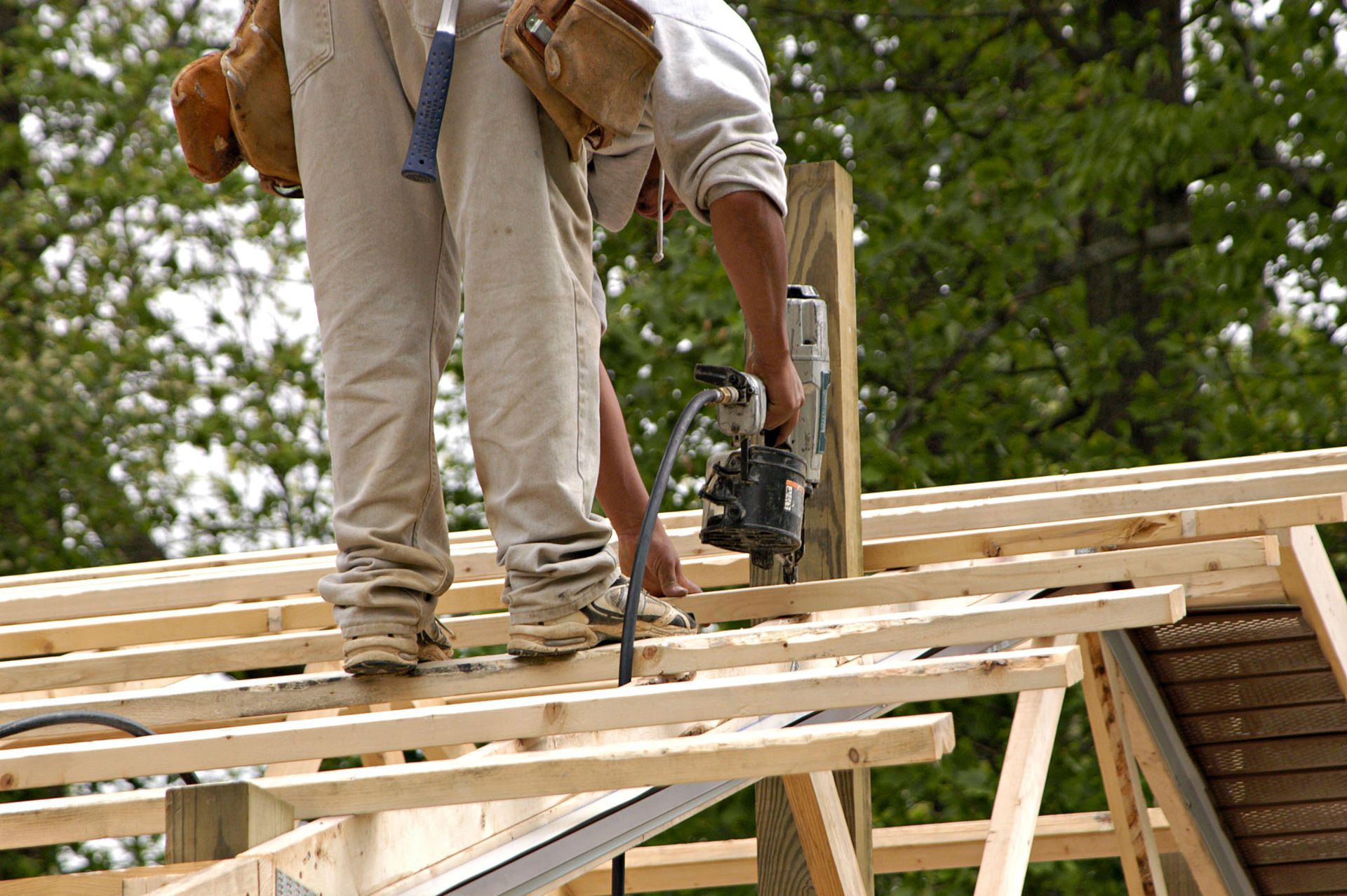
Integrating these assemblies directly minimizes the labor-intensive, time-consuming traditional framing processes that often stall field operations. Because the modules arrive at the job site fully configured, the installation becomes a straightforward crane-and-bolt procedure. This efficiency in site preparation and erection is crucial, particularly in dense urban environments where tight staging areas and noise regulations restrict traditional building methods. The compressed field schedule significantly reduces disruption for surrounding neighborhoods, presenting a major selling point for urban developers.
The combination of offsite preparation and streamlined onsite assembly drastically cuts the overall construction schedule, allowing builders to commence and complete projects with unprecedented speed. This accelerated pace provides a key competitive advantage in a bustling real estate market where rapid delivery is paramount. However, adoption barriers still exist in the broader market. According to the National Association of Home Builders analysis of Census Bureau data, offsite construction using panelized methods like prefab wall panels accounted for only 3% of single-family homes completed in 2024, reflecting persistent adoption barriers for homeowners seeking faster builds.
Optimizing Financial Resources
Cost-effectiveness is another driving factor behind the rising adoption of prefab wall panels. General contractors experience a substantial reduction in total labor expenses, as the need for a massive onsite framing crew diminishes. With much of the framing and structural assembly happening offsite, specialized labor requirements on the actual job site are minimized. This shifting dynamic is critical in an era where skilled labor shortages and rising wage demands frequently challenge project budgets across the country.
The reduction of material waste is a compelling cost-saving factor stemming from the computerized precision of manufacturing facilities. In traditional construction, material wastage is a significant expense due to measuring inaccuracies, cutting errors, and exposure to outdoor moisture. Factory production ensures that lumber, engineering components, and insulation materials are optimized via computer-guided cutting systems, minimizing surplus scrap. This controlled manufacturing process delivers both financial savings and environmental benefits through efficient resource management.
Additional savings emerge from lower logistics and transport expenses associated with consolidated shipments. Transporting raw materials in bulk to a centralized manufacturing facility rather than scheduling dozens of individual material drops to disjointed construction sites reduces overall freight costs. The resulting prefab wall panels are shipped in fewer, highly coordinated flatbed loads, optimizing fuel costs and decreasing logistical complexity. This predictable delivery schedule allows project managers to maintain tight control over cash flow and working capital.
Standardizing Quality Management
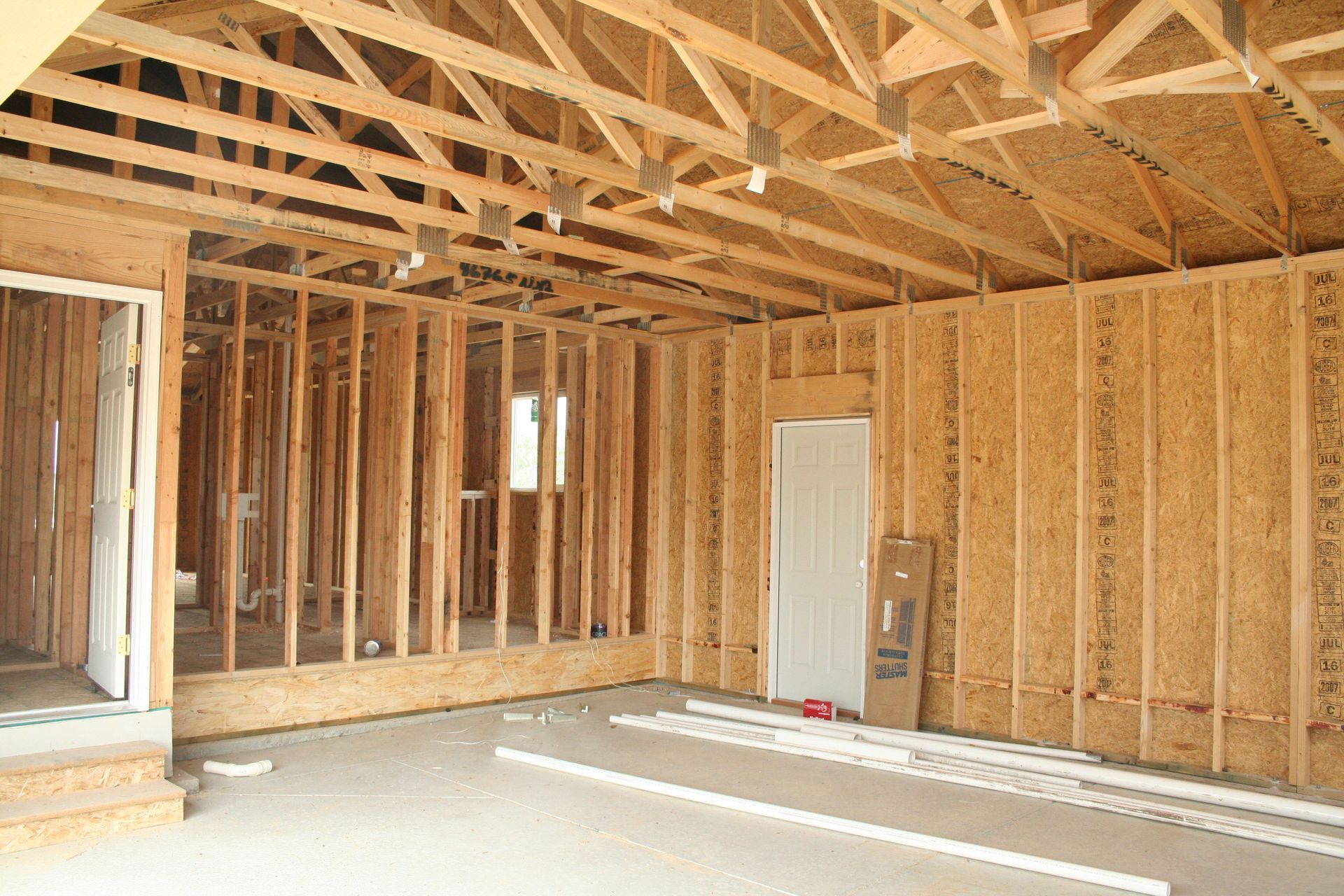
Prefab wall panels excel in quality management due to their standardized manufacturing conditions. This methodology ensures that every wall segment adheres to stringent quality assurance programs far better than the variable conditions of an outdoor job site. A consistent, covered environment leads to square corners, perfectly straight studs, and superior structural integrity across all finished components. This assembly-line environment reduces human error, guaranteeing that each panel meets exact architectural dimensions down to the millimeter.
The integration of advanced technology for precision work in manufacturing facilities stands out as a crucial industry innovation. Technologies like automated lasers and computer-aided design software enable structural precision that is unfeasible with handheld field tools. These systems allow for exact component cuts, creating tighter tolerances and eliminating structural gaps. In an industry where minor framing errors can cascade into major finish plumbing or drywall problems later, computerized manufacturing protects long-term project viability.
When builders choose manufacturing-based methods, they tap into a systemized process that holds finished products to uniform standards across every production run. This consistency is critical for large-scale or multi-family projects where repetitive framing accuracy speeds up secondary trades like electrical and HVAC installation. General contractors benefit from peace of mind knowing that every wall section matches the digital blueprint perfectly, promoting structural reliability and client satisfaction from foundations to rooflines.
Reducing Environmental Footprints
The use of eco-friendly materials in prefab wall panels presents a significant advantage for modern environmental compliance. The prefabrication industry increasingly leverages sustainable, certified timber, recycled structural components, and locally-sourced materials to minimize broader ecological disruption. These practices contribute to a reduced carbon footprint, aligning builders with modern green building standards. The shift towards sustainable materials is also driven by evolving state codes and consumer demand for environmentally responsible housing options.
Minimizing energy consumption is a hallmark of the automated manufacturing approach. The centralized production line utilizes efficient machinery that lowers total energy demand compared to running heavy machinery on individual field sites for weeks at a time. Furthermore, because prefab wall panels are engineered with tight seals and factory-installed insulation, they provide superior thermal performance. This tight construction envelope reduces continuous energy consumption over the operational life cycle of the completed building.
Waste minimization is naturally embedded in industrial manufacturing methods, making it an environmentally conscientious choice for green certification pathways. Efficient industrial nesting software cuts structural elements perfectly, drastically reducing the volume of scraps sent to local landfills. Buildings utilizing these panelized methods often qualify for advanced green certifications and carbon credits more easily. This focus on resource conservation reflects the modern construction sector's growing commitment to responsible stewardship and circular economy principles.
Expanding Architectural Flexibility
The design flexibility offered by modern prefab wall panels has redefined traditional architectural constraints. New advancements in software allow for extensive customization, matching custom floor plans and diverse aesthetic preferences. Architects are no longer limited to standardized catalog dimensions; they can collaborate with engineers to manufacture custom geometries that fit unique contemporary visions. This custom capability offers a balance between industrial efficiency and individualized architectural expression.
Adaptability to diverse architectural styles is another key attribute that makes prefab wall panels highly appealing to residential designers. These structural systems easily accommodate traditional farmhouse, ultra-modern minimalist, or commercial storefront designs without specialized field modifications. By offering seamless structural integration into various stylistic narratives, panel systems have become a flexible tool for developers. General contractors can deliver custom aesthetics while retaining all the predictable schedules of offsite manufacturing.
As the construction industry advances, prefab wall panels are proving to be an indispensable asset for forward-thinking builders. Their contribution to project speed, cost reduction, quality control, sustainability, and design versatility makes them an attractive option for modern building initiatives. While market integration continues to overcome historical adoption barriers, the underlying efficiency of panelization points toward a smarter, more reliable approach to building our communities. For more information about the services that we offer, reach out to our incredible team at Graber & Sons Construction LLC today!